This website uses cookies to enhance your user experience.
By using our website, you consent to all cookies in accordance with our Cookie Policy, Privacy Policy, and Terms & Conditions.

30 January 2026
Cyprus has long attracted real estate investors with its Mediterranean lifestyle, strategic location, and investor-friendly legal framework. As the market matures and adapts to global shifts, 2026 is shaping up to be a year defined by selectivity, sustainability, and smarter investment strategies. Here are the key trends every investor should keep on their radar.
The era of purely speculative buying is fading. In 2026, demand remains solid, but buyers are more informed and value-driven. Investors are prioritizing properties with clear long-term potential—whether through rental yield, resale value, or lifestyle appeal. Well-priced, well-located assets continue to perform, while mediocre projects struggle to stand out.
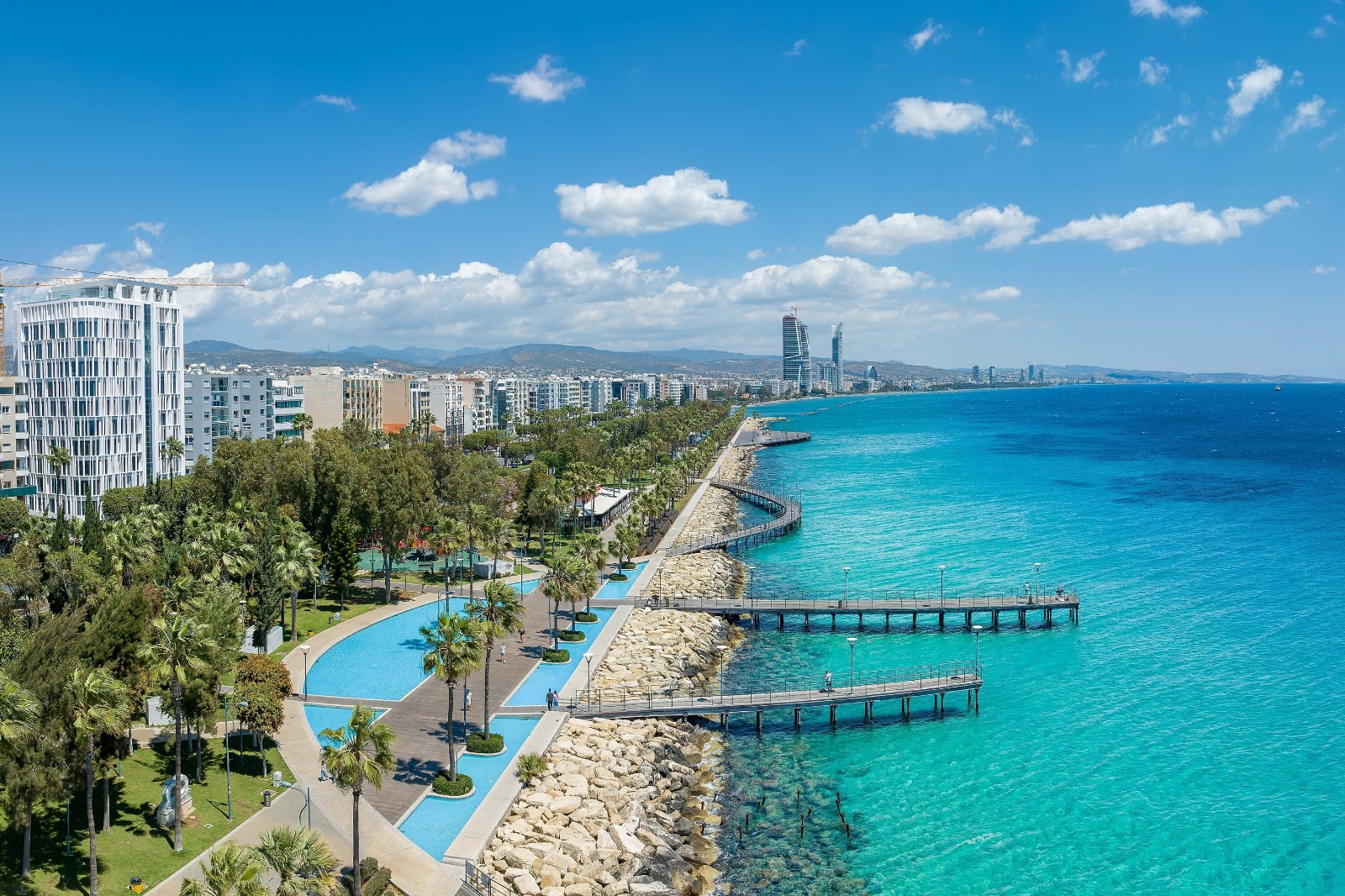
Limassol remains Cyprus’s prime real estate hub, especially for luxury and commercial property. However, price growth is stabilizing rather than accelerating. At the same time, cities such as Larnaca, Paphos, and even parts of Nicosia are gaining investor attention. Improved infrastructure, new marinas, and urban regeneration projects are driving value in these secondary markets, often with lower entry costs and higher yield potential.
Environmental considerations are now a core investment factor. Energy-efficient buildings, solar integration, and sustainable materials are increasingly demanded by both buyers and tenants. In 2026, properties that fail to meet modern efficiency standards risk depreciation, while “green” developments benefit from stronger demand, lower operating costs, and better long-term resilience.
While short-term rentals remain relevant in tourist areas, long-term rentals are becoming the backbone of the investment market. Demand is driven by professionals, digital nomads, and foreign companies relocating staff to Cyprus. Apartments in city centers and near business districts are particularly attractive, offering stable income and reduced volatility.
Cyprus continues to position itself as a hub for remote work and international business. This demographic favors modern apartments, reliable infrastructure, and lifestyle amenities over traditional large homes. Investors who tailor properties to this audience—furnished units, flexible layouts, and high-speed connectivity—are well placed to benefit.
In 2026, reputation matters more than ever. Buyers and investors are gravitating toward established developers with proven delivery records and transparent processes. This shift reduces risk but also means that high-quality projects sell faster, often before completion, while less credible developments face slower absorption.
Cyprus’s regulatory environment has become more structured and predictable, particularly in planning, compliance, and buyer protection. While stricter oversight has increased development costs, it has also improved overall market confidence—an important factor for long-term investors seeking stability rather than quick wins.
The market in 2026 favors consistency over speculation. Price growth is expected to be moderate but sustainable, supported by real demand rather than hype. For investors, this means success comes from careful asset selection, realistic yield expectations, and a medium- to long-term horizon.
Cyprus real estate in 2026 is defined by maturity. The opportunities are still there, but they reward insight, patience, and quality-focused decision-making. Investors who understand local dynamics, embrace sustainability, and adapt to evolving buyer profiles will be best positioned to benefit from the next phase of the market’s evolution.
Explore Square One’s off-plan property investment projects.